


 Home
Home

Blog Categories
Newest Blogs


 1405/06/24 14:06
.jpg "Benefits of Chatre and Chatre sweat for the liver, skin, weight loss, and digestion") 1405/03/19 13:58
1405/03/19 13:58
 1405/02/16 14:47
 1405/02/05 15:46
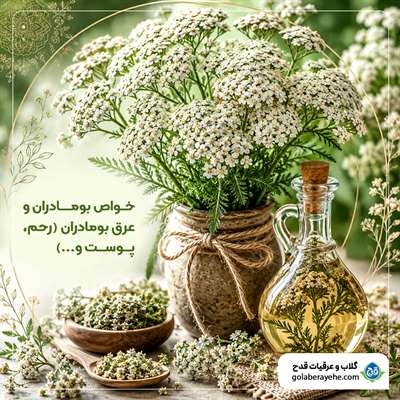
Properties of Yarrow and Yarrow Distillate (Uterus, Skin, etc.)


What is yarrow?
Yarrow is a herbaceous and woody plant from the Cassia family. Its thin and small leaves are densely arranged together, which is why it is called the scientific name of the thousand-leaf plant (Achillea millefolium). The flowers of this plant are usually white, yellow or pale pink and grow in small clusters. The aroma of yarrow is very bitter, and this plant has long been included in the group of plants with medicinal properties.
Regarding the history of the medicinal use of yarrow, it is interesting to know that the name of this plant is taken from Achilles, the legendary hero of the Trojan War. Ancient narratives state that Achilles used yarrow to treat the wounds of his soldiers. This plant later found its place in the medical culture of Iran and many countries and was used mostly to control bleeding, reduce inflammation and improve some disorders related to the uterus. In ancient sources, yarrow is described as a plant with a warm and dry nature, astringent and slightly bitter.
Yarrow Properties for the Uterus
The uterus undergoes various hormonal changes throughout the month, which are sometimes accompanied by menstrual pain, irregular bleeding, spotting, spasms, and infections. Yarrow is used to combat uterine infections due to its tannins, flavonoids, and anti-inflammatory plant compounds. . Yarrow's anti-inflammatory and antispasmodic compounds soothe cramps, pain, and unpleasant uterine contractions. The tannins in this plant also have astringent properties and, by reducing excess moisture, make the uterine conditions more balanced during infection.
The role of yarrow in cleansing the uterus
The yarrow plant has been proven in scientific sources to inhibit the cyclooxygenase enzyme, which has anti-inflammatory properties. This plant can also have anti-inflammatory properties by containing flavonoids and lactones. As a result, yarrow can be used to cleanse the uterus from infection. Yarrow sweat is also helpful as an extract of this plant to cleanse the uterus and reduce infections.
Methods of using yarrow to cleanse the uterus
Three methods of using yarrow in this regard are recommended:
1. Infusion: Pour a tablespoon of dried flowers into a glass of boiling water, let it brew for 10 minutes and drink one to two glasses daily.
2. Yarrow infusion with honey: Mix one to two glasses of yarrow infusion with a teaspoon of natural honey and drink.
3. Topical use (sitting or compress):
- For sitting: Pour 20 grams of dried yarrow flowers into two liters of water, boil for 15 minutes, strain and pour the decoction into a basin with warm water. Sit in it for 15 to 20 minutes.
- For compress: Soak a clean cotton cloth in the prepared decoction, place it on the lower abdomen and hold for 15 minutes.
The duration of use for all three methods is seven to fourteen days; after that, take a week off and repeat the course if necessary.
Yarrow for Uterine Infection
Uterine and pelvic infections are accompanied by symptoms such as vague lower abdominal pain, abnormal discharge (cheesy, foul-smelling or yellow and greenish), fatigue and sometimes fever. Yarrow is used as a supportive herb in addition to medical treatments to reduce inflammation and help resolve mild infections.
Its flavonoids and tannins have mild anti-inflammatory and antiseptic properties. Oral (infusion or sweat) and topical (sitz bath) use reduces inflammation. Its role is complementary and does not replace the main treatment.
Oral consumption method: One glass of infusion or one glass of sweat (30 ml) daily between meals, for 10 to 14 days.
Topical method: Boil 20 grams of dried flowers in two liters of water for 15 minutes, strain and pour warm water into the pelvis and sit for 15 to 20 minutes. Once daily, for a week.
Yarrow for Vaginal Yeast Infection
Yeast infection is accompanied by severe itching, burning, cheesy discharge, and sometimes redness, and can be very annoying. Yarrow, with its mild astringent and antifungal properties, reduces excess moisture and relieves itching and burning. External washing with a lukewarm infusion or a sitz bath with its diluted decoction reduces inflammation in this area.
Properties of Yarrow for the Skin
With a long history of wound healing, Yarrow is one of the effective herbs for skin care. As mentioned, yarrow has anti-inflammatory properties by inhibiting the cyclooxygenase enzyme, and as a result, it has high analgesic and healing properties. The tannin contained in it, as a natural astringent, closes open pores and regulates sebum secretion in combination and oily skin. Flavonoids and chamazulene also have anti-inflammatory and soothing properties and reduce redness and irritation of the skin. Yarrow's antioxidant compounds also protect the skin from damage caused by oxidative stress by fighting free radicals and play a role in reducing premature skin aging.
Using the infusion or sweat as a natural toner reduces inflammation of acne and makes the skin appear fresher and more even.
Yarrow Mask for Face Spots
Spots caused by the sun, acne scars, hormonal fluctuations or aging do not disappear overnight and require regular care. Yarrow, due to its antioxidant compounds and astringent tannins, helps to brighten the skin and gradually fade superficial spots.
How to make a homemade mask:
Mix a tablespoon of concentrated yarrow tea with a spoon of low-fat yogurt or honey until smooth. Leave the mixture on the skin for 15 minutes and then wash with lukewarm water. It is recommended to use this mask twice a week.
How to use as a compress:
Combine yarrow sweat and rose water in equal proportions. Then soak a clean cotton cloth in this solution and place it on the spots for 15 minutes once a day.
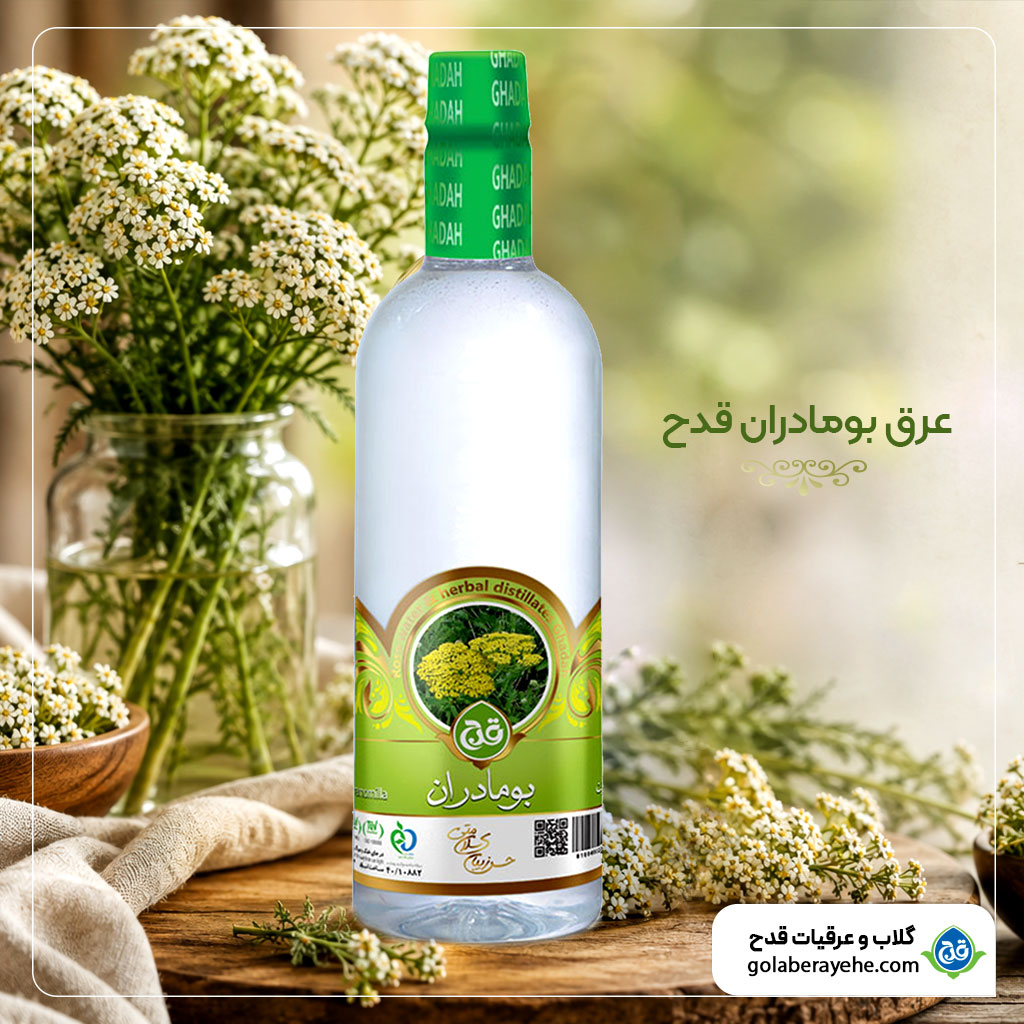
Yarrow for pregnancy
Is it permissible to consume yarrow during pregnancy?
Yarrow has stimulating effects on the muscles of the uterus and is considered a regularizer. Although these properties are a bonus for irregular periods, they are not a good choice for pregnancy. Taking any product (sweat, infusion or extract) from this plant, especially in the first trimester, is not recommended due to the increased risk of uterine contractions. Pregnancy health is a priority and it is better to choose safer alternatives during this period after consulting a doctor.
Fennel and yarrow for pregnancy
The combination of fennel and yarrow is one of the well-known prescriptions of traditional medicine for preparing the body before pregnancy. In this combination, each plant has a specific task; fennel regulates female hormones and improves ovulation due to its estrogen-like compounds. In addition, yarrow, with its anti-inflammatory properties and herbal compounds, reduces inflammation and hidden infections of the uterus and, by cleansing this area, provides a healthier bed for receiving the fetus.
Women who are planning to get pregnant can combine fennel and yarrow juice in equal proportions and drink one glass a day (preferably between meals).
Yarrow for ovarian cysts
Ovarian cysts are one of the common female problems that most often manifest themselves with pelvic pain, a feeling of heaviness in the lower abdomen, and menstrual irregularities. The active and powerful compounds of this plant, such as flavonoids and chamazulene, go directly to pelvic inflammation and control them. At the same time, the antispasmodic properties of yarrow relieve painful muscle cramps and pressure caused by the presence of cysts.
In addition to controlling pain and inflammation, yarrow is a menstrual-inducing plant; This means that it increases blood circulation in the uterus and ovaries and returns irregular menstrual cycles to their natural course. The antioxidants in this plant are also responsible for protecting the sensitive ovarian tissue from cell damage.
Of course, keep in mind that cysts come in different types and sizes, and it is best to check the exact condition of the cyst with your doctor before starting use.
Fennel and Yarrow for Ovarian Cysts
As we said, fennel is mostly used in the field of hormonal balance and menstrual cycle regulation due to its plant compounds similar to estrogen, and yarrow is also known for its anti-inflammatory and antispasmodic compounds to reduce inflammation and discomfort in the pelvic area. Since some ovarian cysts are accompanied by hormonal changes, menstrual irregularities, and pelvic pain, the combination of these two plants is used in traditional medicine to support ovarian function and reduce symptoms caused by cysts.
In this combination, fennel focuses more on the hormonal aspect and yarrow focuses on inflammation, spasms, and pelvic pain. Therefore, periodic consumption of fennel and yarrow sweat can be a gentle and safe herbal method to help control some of the complications of ovarian cysts.
Yarrow to regulate menstruation and reduce period pain
Menstruation is associated with annoying pain and heavy bleeding for many women. The essential oils and chamazulene in yarrow soothe uterine contractions; tannins also control heavy bleeding by shrinking tissues, and flavonoids reduce inflammation.
In addition to controlling pain and inflammation, yarrow is a menstrual herb; meaning that it increases blood circulation in the uterus and ovaries and returns irregular menstrual cycles to their normal course.
Consuming yarrow sweat a few days before the start of menstruation is used to reduce menstrual pain, make the monthly cycle more regular, and control some of the discomforts of this period.
Properties of Yarrow for Fatty Liver
In traditional medicine, bitter herbs such as yarrow are recommended for cleansing the liver. The mild bitterness of this plant stimulates bile secretion and improves the digestion of fats. Its antioxidants also inhibit inflammation of liver cells. Drinking yarrow juice, especially at the beginning of the day and on an empty stomach, helps the liver function normally, and many people feel more comfortable in their digestive tract after consumption.
Yarrow and Prostate Health
Problems such as frequent urination, weak flow, and the feeling of incomplete emptying are common concerns for men in middle age. In traditional medicine texts, yarrow has been used to maintain urinary tract health since the past due to its anti-inflammatory and astringent properties. The tannins and essential oils in this plant reduce swelling of prostate tissue and, by relieving congestion in the urinary tract, make the flow of urine smoother. Regular use of yarrow sweat or infusion soothes inflammation in the area and improves the functional status of the urinary tract in the early stages.
General method of consuming yarrow juice
To benefit from the properties of yarrow juice, drink one to two glasses of it daily, equivalent to about 30 to 60 ml. Yarrow juice can be consumed pure or diluted with a little water. The best time to drink it is in the morning on an empty stomach, between meals or before bed.
To balance the bitter taste of yarrow, adding a spoonful of honey is a good option. The course of consumption usually lasts 10 to 20 days, followed by a few days of rest. Diluted yarrow juice can also be used topically and can be used as a compress or natural skin toner.
Introduction to yarrow juice in a cup
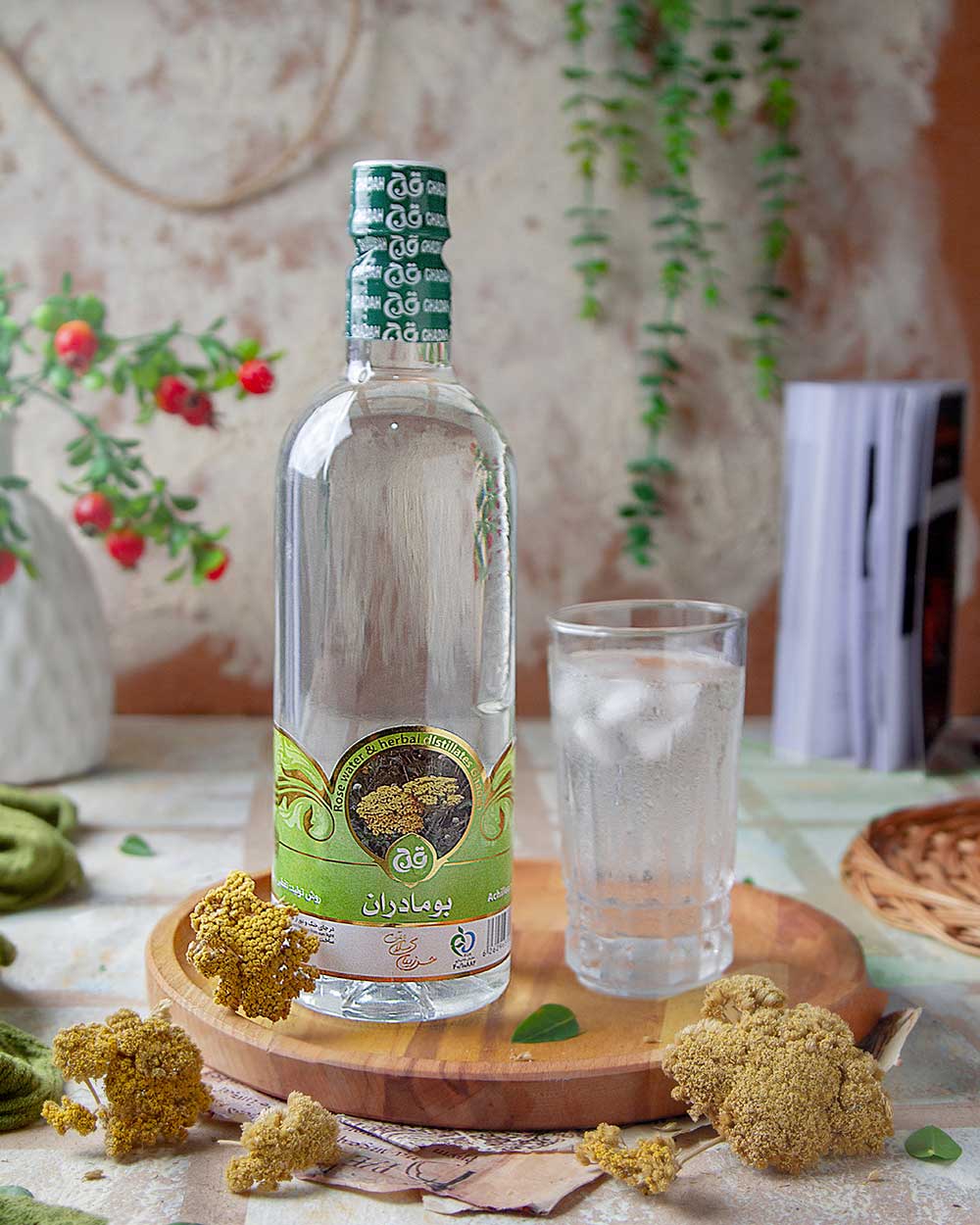
In this article, we learned about yarrow and its various uses; a plant that has found its place among Iranian families for years. If you decide to add yarrow to your home herbal product basket, do not underestimate the quality of the product.
Qodh yarrow is produced by Golab Rayhe Kashan Company; a product that is prepared with care and supervision from plant selection to distillation and packaging. Behind this product is a team of experts, advanced equipment, and quality control tests so that what you receive is a safe and high-quality product. In addition to supplying its products throughout Iran, Rayhe also exports them to different countries. Qodh yarrow has health licenses and the Health Apple logo, and you can order it from this page.

User Comments (0)
There is no comment for this yet!